
Schedule your complimentary consultation today and discover how the ABC method can create your confident smile. Dr. Chiggs will assess your needs and create a personalized treatment plan.
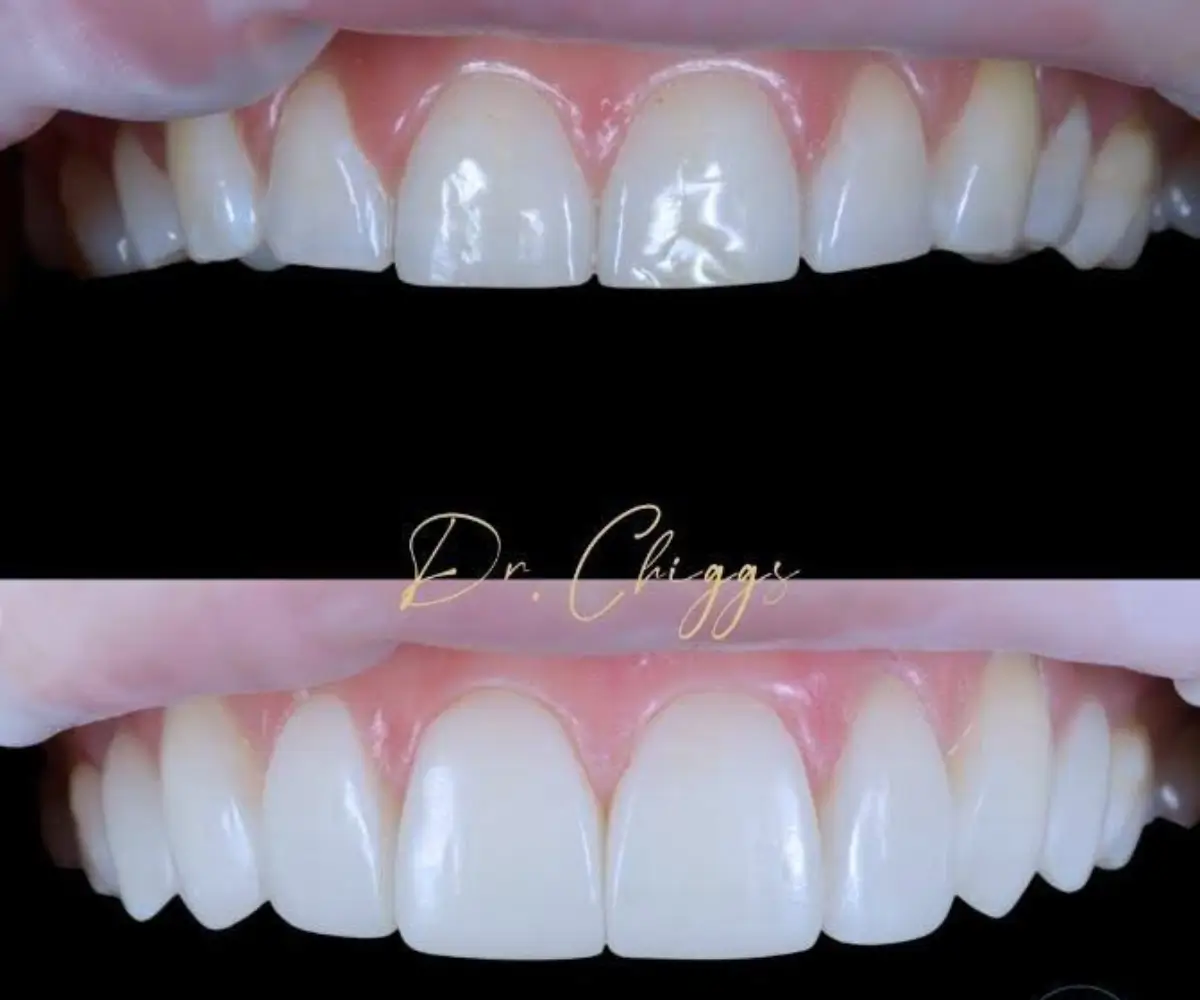
Composite bonding is a cosmetic dental procedure that uses a tooth-coloured resin to repair or enhance the appearance of teeth.
Composite edge bonding covers just the tips of the teeth, and are great for people with perfect alignment, and have worn the edges of their teeth slightly.
Composite veneers covers the whole surface of the tooth as is perfect for those who have minor alignment issues, toothwear, discolouration, shape discrepancies and darkened teeth.
Dr Chiggs has extensively studied Dental Composite resin & has a deep knowledge of people’s bite to ensure the composite bonding he sculpts is aesthetic and lasts the test of time.
Composite bonding is ideal for correcting:
Most treatments take 30–90 minutes per tooth.
No. Composite bonding is usually pain-free and often requires no injections or drilling, unless the bonding is being used to fill a decayed tooth.
With good care, bonding typically lasts 5–10 years. Longevity depends on lifestyle habits, oral hygiene, and bite forces.
Composite resin can stain over time just like natural teeth do. This increases wit consumption of coffee, tea, red wine, curry, or tobacco. Regular polishing and whitening once a month helps maintain brightness.
Yes. Bonding is often used to close small to moderate gaps without orthodontic treatment. Larger gaps may need aligners or metal braces.
Yes, in most cases. Bonding is minimally invasive, usually involving no removal of natural tooth enamel, so it can be reversed or replaced if needed. It is important that removal is done by an experienced cosmetic dentist to ensure it is done safely.
Costs vary based on the number of teeth treated and the complexity of the case. On average this is £300 for some bonding to the edges of the teeth, and £350 for full coverage of the tooth
Most appointments last 30–60 minutes per tooth, and many treatments can be completed in a single visit.
Yes. The resin is carefully colour-matched and polished to blend seamlessly with your natural teeth, giving a realistic, aesthetic result.
It’s great for patients looking to improve the appearance of their smile quickly and affordably. However, if you have severe wear, major alignment issues, or heavy bite forces, your dentist may recommend ceramic restorations or orthodontics instead.
You can whiten your natural teeth, but bonding does not lighten with whitening gels. Many patients whiten first, then match the bonding to the new tooth shade. Whitening after composite bonding helps remove stains between the teeth, and helps keep your natural tooth shade in line with the shade of composite chosen.
In patients with heavy bites, and significant tooth-wear, we often use Composite bonding as a medium term solution and blue-print, until stronger material is suitable.
You can eat and drink immediately, but avoid staining foods/drinks for the first 24–48 hours to reduce early discolouration.

Award-winning cosmetic dentist with advanced expertise in prosthodontics, dedicated to creating confident smiles in Birmingham through personalised, minimally invasive care.
Copyright © 2025 Dr. Chiggs. All Rights Reserved | Designed by Neomedia
